The Living Garden × IAM Becoming™ · Free Family Resource
Stories, Shows & Spiritual Exploration
Imagination. A pace that feels manageable. Stories that teach us something about living. Explore suggestions from early childhood through young adulthood, plus spiritual learning for adults.
Free to read online. No account, email signup, or purchase required.
Our suggested ranges help you browse; they are not upper age limits or guarantees of suitability. We use editorial age guidance where available and explain any more cautious choices. Consider the viewer’s interests, sensory preferences, experiences, and readiness. Check the specific season, episode, and your local platform rating.
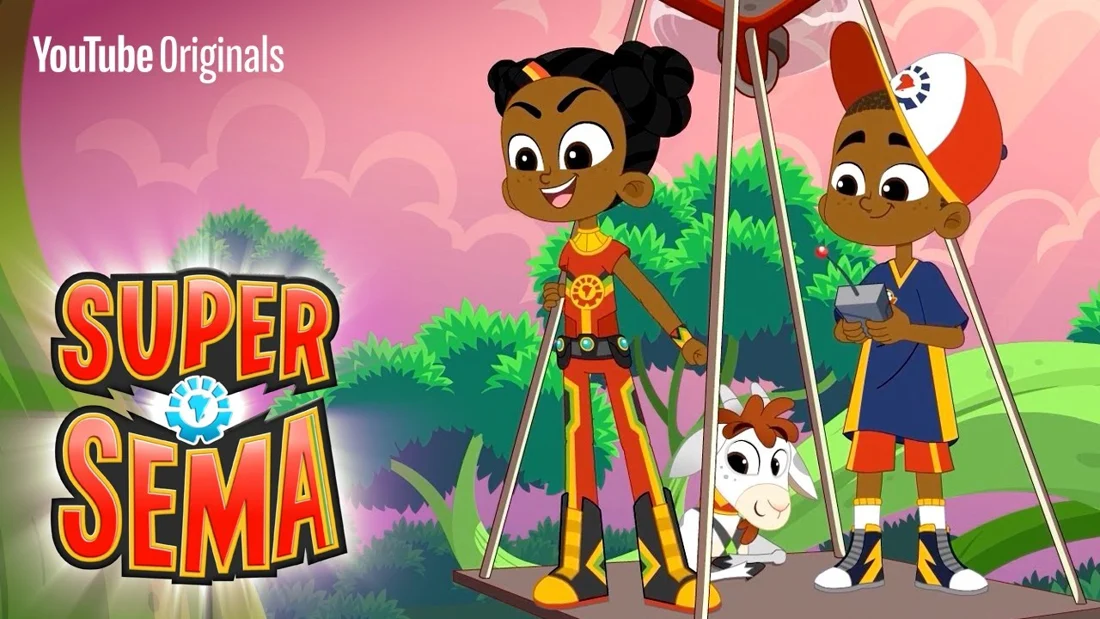
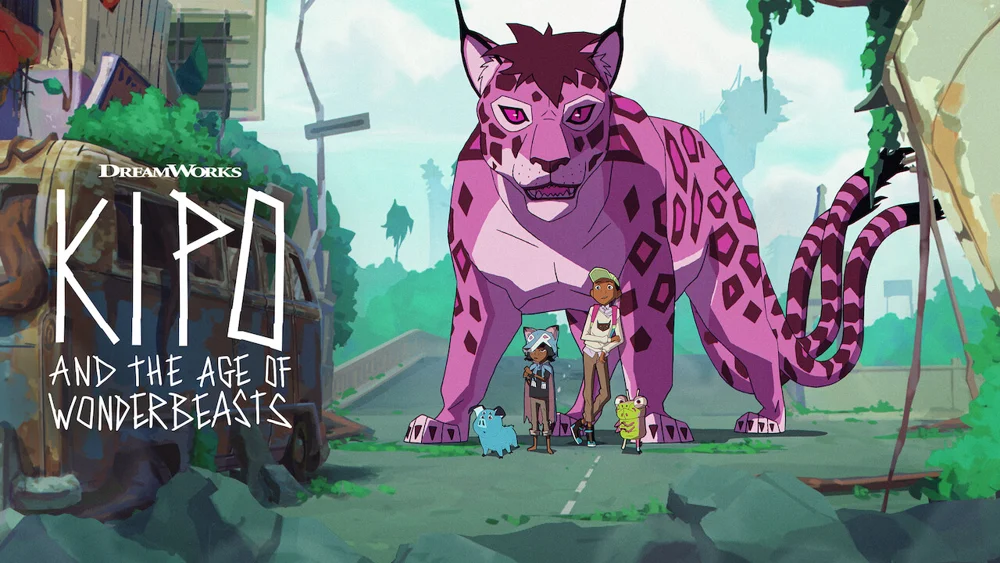
An African hero uses science, technology, engineering, art, and math to meet challenges. We recommend it for its creative problem-solving and the space it gives Black children to see themselves as inventors.
Try Together: Draw an invention that could make someone’s day easier. Ask: “What would it do, and who would it help?”
Our Review & What To Preview
Common Sense Media highlights creative problem-solving, teamwork, and Black representation. That supports keeping it on our list.
Keep In Mind: Preview mild peril and villain scenes. The review also flags the association between the villain’s altered body and villainy. Talk about actions, not appearance, and distinguish fantasy inventions from real science.
Animated sing-alongs and interactive lessons bring music and representation into early learning. We recommend it for families who enjoy learning through rhythm and joining in.
Try Together: Make a rhythm with your hands or safe household objects. Take turns leading and following.
Our Review & What To Preview
A parent-authored MOOAR Magazine article praises the music and engaging approach. Her official description emphasizes sing-alongs, interactive lessons, and representation. These support a provisional recommendation for musical participation.
Keep In Mind: Independent editorial coverage is limited. One family’s positive experience is not a consensus or evidence of learning outcomes. Preview the specific video for pace, content, and your child’s response.
Age guidance: our provisional 3–6 browsing range, based on the early-learning format. We did not find an independent age assessment for this channel. Preview individual videos.
Songs, gestures, and playful interaction offer ways to join in together. We recommend it for sing-along ideas you can enjoy together and carry into face-to-face play.
Try Together: Choose one song and sing it away from the screen, leaving space for your child to respond in their own way. Videos do not replace speech therapy.
Our Review & What To Preview
Common Sense Media describes learning through songs, play, and dance, with varied families and teachers represented. We see a fit with participation and belonging.
Keep In Mind: Choose a short segment that suits your child. The review covers the Ms. Rachel TV show, not every YouTube upload. The creator states that videos do not replace speech therapy.
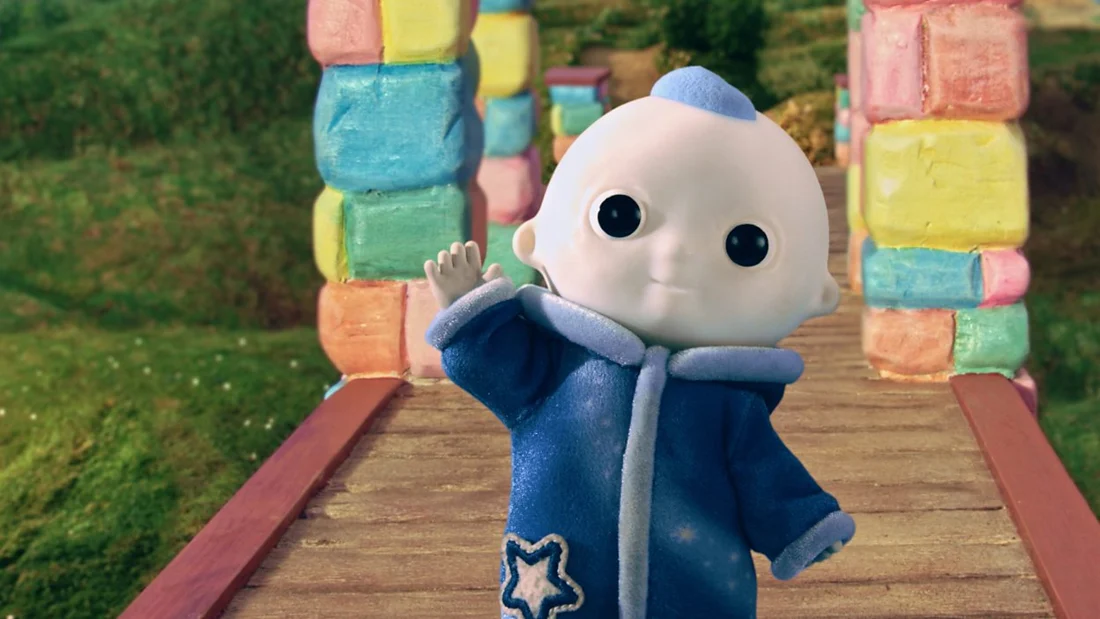
Toy characters come to life in stories about friendship. We recommend it as an invitation to invent small worlds and tell stories together.
Try Together: Let a favorite toy “tell” a short story. Your child can use words, sounds, gestures, or your help.
Our Review & What To Preview
Common Sense Media describes gentle stories about friendship and imaginative play. That fits our interest in kindness, storytelling, and unhurried experiences.
Keep In Mind: The reviewer notes that some character designs may feel unsettling and the repetition may not suit everyone. Associated toys can also prompt purchase requests.
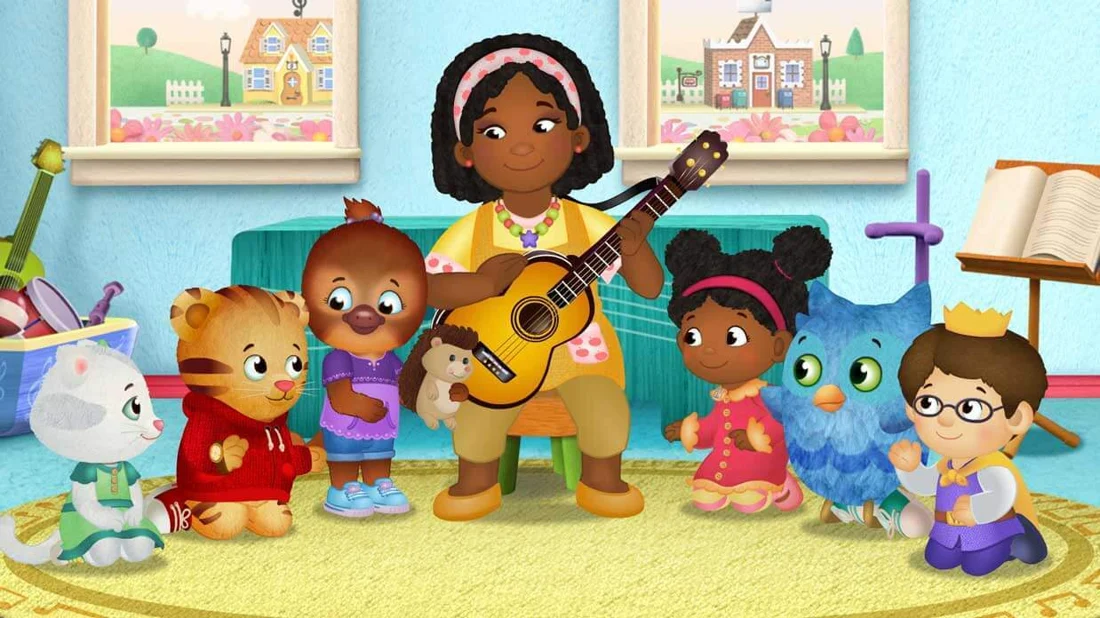
This preschool series uses everyday situations and songs to explore feelings and getting along. We recommend it as a starting point for talking about a familiar challenge without shaming a child for having feelings.
Try Together: Ask: “What was Daniel feeling? Have you felt something like that?” There is no required answer.
Our Review & What To Preview
Common Sense Media’s editorial review emphasizes a gentle tone and social strategies. Its parent-review summary reports both appreciation for feelings language and concerns about copied whining or tantrums. We recommend it with conversation.
Keep In Mind: Feeling angry is allowed; hurting someone is not. Help your child separate the character’s difficult moment from the response you want to practice together.
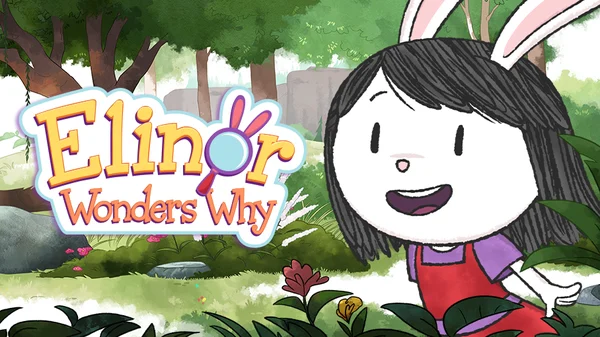
Elinor and friends ask questions about the world around them. We recommend it for its attention to observation and discovery.
Try Together: Look at a leaf, a shadow, or the weather together. Each person can share one thing they notice and one question.
Our Review & What To Preview
Common Sense Media highlights questions, firsthand discovery, nature, and community helpers. That is a strong fit with curiosity and learning beyond the screen.
Keep In Mind: Our viewing prompt: follow a question into a safe real-world activity. Keep room for “I don’t know” and check answers together instead of treating any character as an authority on everything.
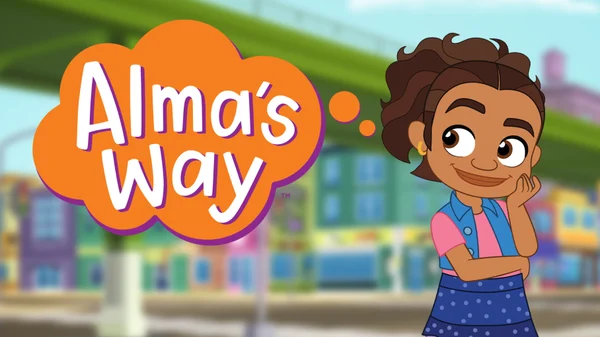
Alma’s experiences with family and friends offer stories about thinking through decisions. We recommend it for conversation about different perspectives, community, and considering what to do next.
Try Together: Ask: “What else could the character try?” You can disagree about a choice and stay curious together.
Our Review & What To Preview
Common Sense Media highlights Puerto Rican culture, pausing to think, and taking responsibility for mistakes. These fit perspective-taking, cultural belonging, and responsibility without blame.
Keep In Mind: Our viewing prompt: ask what matters to each character and what other choices were available. Making a mistake does not make a child bad.
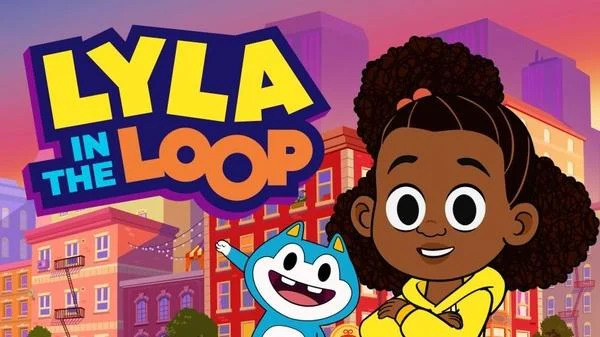
Lyla, her family, and friends work through everyday problems using creative thinking. We recommend it for the reminder that trying, adjusting, and working together belong in learning.
Try Together: Build something with materials you already have. If it does not work, choose one small change to test.
Our Review & What To Preview
Common Sense Media emphasizes creative thinking, collaboration, and a diverse community. We see a strong fit with experimenting, learning from attempts, and asking for support.
Keep In Mind: Our viewing prompt: adapting or stopping can be a thoughtful choice too. Trying again should not mean ignoring tiredness, frustration, or the need for help.
Molly’s adventures in Alaska involve maps, information, and knowledge shared across generations. We recommend it for curiosity, Alaska Native representation, and learning with community.
Try Together: Draw a map of a familiar place, or ask a trusted relative to share a story they would like to pass on.
Our Review & What To Preview
Common Sense Media highlights Alaska Native participation in the production and learning across generations. That fits cultural respect, curiosity, and community knowledge.
Keep In Mind: The site’s parent-review summary flags a frightening dentist video in one episode. Preview sensitive topics for your child. Cultural stories are specific to communities, not interchangeable traditions.
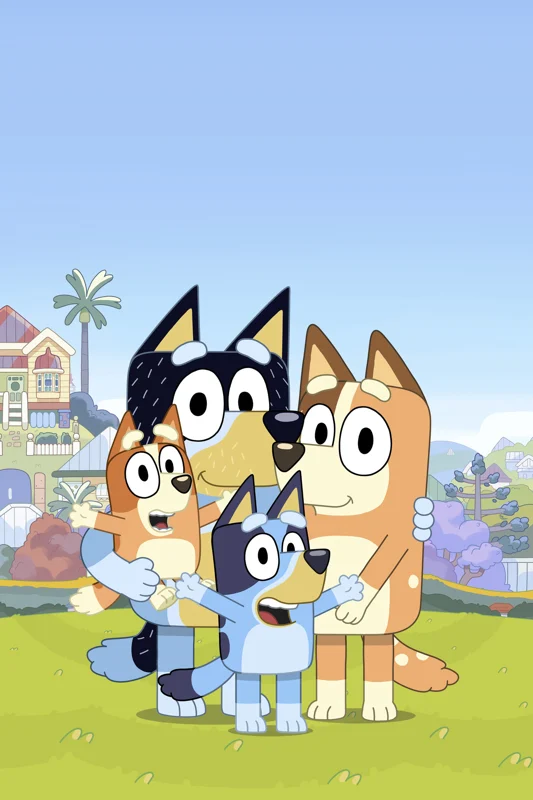
Everyday family experiences become imaginative games. We recommend it for ideas to adapt to your own household, without comparing your energy, home, or parenting to a fictional family.
Try Together: Choose one pretend game and simplify it to fit your space and energy. Adults can set limits and take breaks too.
Our Review & What To Preview
Common Sense Media’s editorial review praises imaginative play and supportive family relationships. Its parent-review summary also reports concerns about children copying disrespectful behavior. We recommend it with clear real-life boundaries.
Keep In Mind: A funny scene is not permission to ignore someone’s no. Adapt games to your own household and capacity; fictional parents are not a standard you must meet.
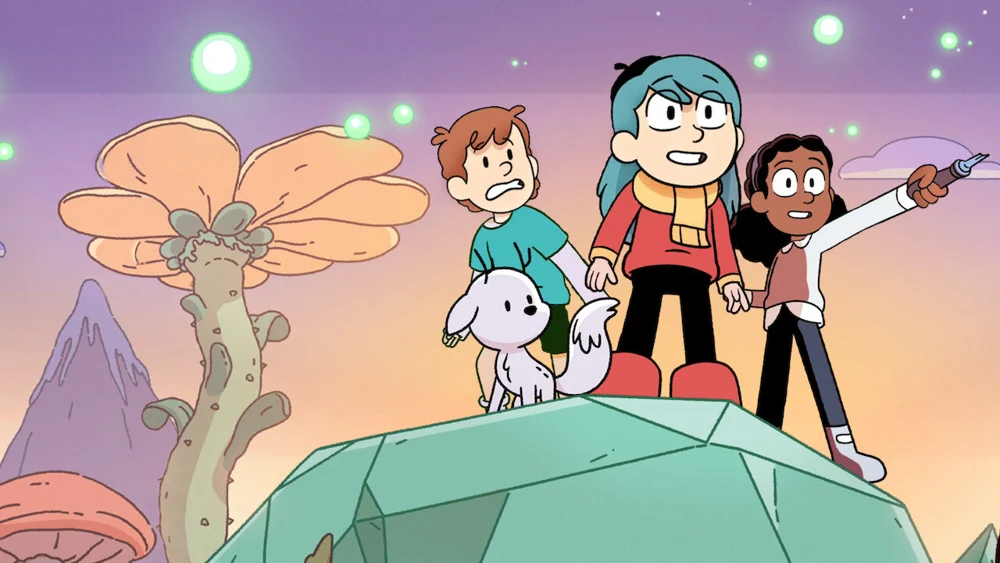
Hilda’s encounters with unusual creatures invite curiosity about unfamiliar lives. We recommend it for imaginative storytelling, kindness, and looking beyond first impressions.
Try Together: Think of a character you first misunderstood. What changed your view?
Preview First: Fantasy creatures, frightening situations, and peril can be intense. Our starting range is more cautious than the review’s 6+ suggestion; preview the season and episode for your child.
Our Review & Age Sources
Common Sense Media highlights a kindhearted lead who helps others work through misunderstandings. That fits our emphasis on curiosity and right relationship.
Editorial starting age: 6+ — Common Sense Media. Our suggested range above is an editorial choice for this guide, not an official classification.
Avatar: The Last Airbender · Animated Series (2005) · Image Source
Avatar: The Last Airbender · Animated Series (2005)
Suggested Ages 8–12 · Older Viewers Welcome
Integrity, Responsibility & Changing Direction
Aang and his friends face choices about duty, power, and who they want to become. We recommend the original animated series for conversations about integrity, repair, and choosing a response rather than simply following expectations.
Try Together: When did a character change their mind? What did they take responsibility for?
Preview First: War, genocide, bereavement, frightening scenes, and frequent fantasy combat. This entry covers the 2005 animation, not the live-action versions. Older teens and adults may also enjoy it.
Our Review & Age Sources
Common Sense Media highlights courage, integrity, and learning from mistakes. These themes fit our values; the fantasy’s spiritual ideas are storytelling, not a factual account of spiritual traditions.
Editorial starting age: 8+ — Common Sense Media. Our suggested range above is an editorial choice for this guide, not an official classification.
Music and imaginative world-building accompany a girl discovering a world beyond what she knows. We recommend it for questioning prejudice, building friendships across differences, and finding creative possibilities.
Try Together: Where did curiosity open a possibility that fear or a stereotype had closed?
Preview First: Frequent chases, weapons, explosions, captivity, animal deaths, and some name-calling. This is an action adventure, not a gentle preschool selection. Includes crushes and brief kissing.
Our Review & Age Sources
Common Sense Media highlights courage, perseverance, and challenging stereotypes. We see a fit with cultural belonging and staying open to learning.
Editorial starting age: 8+ — Common Sense Media. Our suggested range above is an editorial choice for this guide, not an official classification.
Songs, art, and an unusual family give this fantasy room to explore identity and connection. We recommend it as a starting point for talking about care, difference, and the responsibilities people take on in relationships.
Try Together: What does care look like here? When might someone need a boundary or help from another person?
Preview First: Fantasy combat, monsters, emotionally difficult stories, some innuendo, and mild language. This recommendation covers the original series; Future and the movie need separate review. Nobody is responsible for fixing every other person.
Our Review & Age Sources
Common Sense Media highlights diversity, friendship, and purpose. We connect those themes with belonging while keeping room to question characters’ decisions.
Editorial starting age: 8+ — Common Sense Media. Our suggested range above is an editorial choice for this guide, not an official classification.
A magical world makes room for questions about belonging, power, prejudice, grief, and the choices that shape who we become. We recommend the films for creative wonder and conversations about loyalty, courage, and standing up to harm.
Ages 8+: Sorcerer’s / Philosopher’s Stone and Chamber of Secrets.
Ages 10+: Prisoner of Azkaban.
Ages 12+: Goblet of Fire, Order of the Phoenix, Half-Blood Prince, and Deathly Hallows Parts 1 and 2.
These starting ages follow Common Sense Media’s franchise guide. Older teens and adults can enjoy the full journey too. A child being ready for the first film does not mean they are ready for the last.
Try Together: When does loyalty become silence about harm? What makes a choice courageous rather than simply risky? Who is being excluded, and what could someone do?
Preview First: Threats, bullying, frightening creatures, and family loss; later films add darker violence, torture, war, and major character deaths. Magical imagery itself is welcome in this guide.
Our Review & Age Sources
Common Sense Media’s age-by-age guide separates the films into 8+, 10+, and 12+ starting points. Our values connection is interpretive: imaginative storytelling can invite reflection on friendship, care, power, and responsibility.
This entry covers the eight original films, not every spin-off, game, book, or future adaptation. Fiction can be enjoyed and questioned at the same time.
An imaginative young person seeks home, friendship, and room for her own voice. We recommend it for older viewers interested in creativity, challenging expectations, and holding onto dignity through difficult circumstances.
Try Together: Where did Anne’s imagination help her? What support should have been available instead of asking her to manage alone?
Preview First: Bullying, abuse, grief, prejudice, distressing memories, alcohol, and discussions of sex and puberty. Our 13+ starting point is more cautious than the editorial 12+ suggestion. Preview if these experiences are personally close.
Our Review & Age Sources
Common Sense Media describes a resilient heroine but emphasizes how dark and intense this retelling can be. We retain it as a qualified recommendation for teens, not a light family comfort show.
Editorial starting age: 12+ — Common Sense Media. Our suggested range above is an editorial choice for this guide, not an official classification.
Young people navigate identity, friendship, and love. We recommend it for older viewers discussing consent, honest communication, LGBTQ+ belonging, and supporting someone while respecting your own needs.
Try Together: What makes a relationship feel respectful? How can someone offer support without becoming the other person’s only support?
Preview First: Bullying and homophobia, a forced kiss, strong language, alcohol, eating-disorder and self-harm themes, and sexual content that increases in later seasons. Netflix lists TV-14 in the U.S.; our 16+ suggestion is more cautious. Review season-specific guidance.
Our Review & Age Sources
Common Sense Media praises its supportive friendships and queer romance. Netflix’s season-three coverage confirms that later stories address sex and more substantial mental-health concerns. Our suggested starting age is therefore 16+.
Editorial starting age: 13+ — Common Sense Media. Our suggested range above is an editorial choice for this guide, not an official classification.
Ethics, Responsibility & Becoming Through Practice
An afterlife comedy asks what it means to act with care and keep learning from mistakes. We recommend it for older viewers who enjoy asking how choices affect others and whether people can change through practice and relationship.
Try Together: When does knowing the “right” answer differ from doing something helpful? What would you revise after seeing the consequences?
Preview First: Sexual jokes and references, drinking, coarse or substitute profanity, death, afterlife punishment, and occasional bloody comic violence. Our 16+ starting point is more cautious than Common Sense Media’s 12+ suggestion.
Our Review & Age Sources
Common Sense Media describes a thoughtful moral comedy with adult humor. We connect its questions about responsibility and change with IAM Becoming™ reflection, without presenting its fictional afterlife as CEG’s spiritual teaching.
Editorial starting age: 12+ — Common Sense Media. Our suggested range above is an editorial choice for this guide, not an official classification.
Explore yoga, meditation, spiritual traditions, and questions about consciousness. Gaia is a paid streaming library, not one show. We suggest choosing a specific teacher or title that speaks to you, then bringing curiosity and discernment to what you hear.
Start With Chakras:Chakras With Ashley Turner introduces a chakra framework alongside yoga practices. Its opening overview is eight minutes; later practices are longer.
Explore Auras:Auras And Energy · Spirit Talk, Episode 1 presents James Van Praagh’s perspective on spiritual energy fields. The 31-minute episode includes mediumship and discussion of deceased loved ones.
Try Reflecting: Is this a spiritual teaching, personal account, metaphor, or scientific claim? What feels meaningful? What remains a question? Does the practice leave room for my choices and actual capacity?
Choose Title By Title: The library varies in pace, subject, physical demands, and claims. Preview movement before participating and adapt or pause. Spiritual and alternative-health explanations are not automatically established scientific findings or individual medical advice.
Our Scope & Source Notes
This is a selective adult recommendation based on Gaia’s published catalog and these title descriptions, not an endorsement of everything on the platform. Its catalog includes topics and claims that need individual evaluation. We have not completed full-episode or measured pacing reviews of these titles.
Chakras With Ashley Turner is listed TV-G, while Auras And Energy is listed TV-PG. Those title labels do not make Gaia a curated children’s platform. Our 18+ placement is an editorial choice for independent adult exploration.
This guide is free; Gaia generally requires a subscription. Check current pricing and trial terms directly. We are not currently claiming an approved Gaia partnership, sponsorship, or affiliate relationship, and these are ordinary links.
Choose intentionally, watch together when you can, and notice how your child responds. Pause or switch activities if the content feels upsetting or too much. Protect room for sleep, movement, outdoor time, play, and real relationships.
These links lead to official show or creator pages, not guaranteed free full episodes. Viewing options, advertising, subscriptions, and regional availability vary. Moon and Me’s BBC page may be unavailable in some regions. Review platform settings and turn off autoplay when it helps.
For a more unhurried story, Moon and Me is described that way in its editorial review. Action series such as Avatar, Kipo, and Super Sema include peril or combat, so preview an action scene as well as the opening. For song-led videos such as Ms. Houston and Ms. Rachel, choose a specific segment rather than assuming every upload has the same rhythm.
Our notes are starting points from format and review descriptions. We have not measured cuts, flashes, or sensory load, and we do not label shows as causing or preventing attention problems. Your response matters: pause, change the volume, shorten viewing, or choose something else.
Exploring Auras & Chakras
Chakras are energy-center frameworks taught in several spiritual traditions, with different interpretations. Auras are understood in some spiritual practices as energy fields around a person. These ideas can offer ways to reflect on grounding, creativity, love, expression, and connection.
Ask which tradition or teacher a lesson comes from, what is being offered as belief or personal experience, and what would need evidence if presented as a scientific or health claim. An interpretation of someone’s energy should not overrule their own words, consent, identity, or need for care.
CEG · Personal practice and reflection
Let The Viewing Become A Conversation.
Choose one question, not a quiz. You can talk, draw, move, write, or simply notice. Nobody has to give a perfect answer.
Creativity: What surprised you? What would you make, imagine, or try differently?
Pace: Could you follow what was happening? Did the sounds or images feel enjoyable, tiring, or too much? Would you like a pause or something quieter?
Feelings: What did you notice in yourself? What might the character have needed?
Right Action: Who was affected by that choice? Was anyone’s boundary ignored? What could repair look like?
Discernment: Is this fantasy, a belief, a personal experience, or a claim we can check? What do we know, and what are we still wondering?
Daily Life: Is there one useful idea to carry into the day—or something you would choose differently?
For young children, try “How did that feel?” or “What else could they do?” With teens and adults, leave room for disagreement and more than one interpretation.
We love media that opens the imagination, makes space to notice, and helps us ask how we want to live. Our recommendations consider creative depth, the pace of the viewing experience, and the actions, values, and life lessons a story invites us to explore.
Our approach is spiritually open and grounded in love, the power of God within, and right relationship. Magic, mythology, supernatural imagery, auras, chakras, and spiritual exploration are welcome. We consider the meaning, treatment of others, and viewing experience—not whether a story contains magic.
We look at rapid cuts, flashing images, constant motion, loudness, and how much happens at once. Slower is not automatically better for everyone. Notice whether you can follow, pause, and settle into the experience—or want a different pace.
We value stories that invite empathy, honesty, courage, accountability, boundaries, and repair. Characters can make mistakes. The useful question is what the story does with those choices and their consequences.
Every child deserves respect. We value meaningful representation across cultures, bodies, abilities, and family structures, without treating difference as a problem to fix.
Joy belongs here, and so do frustration, grief, and uncertainty. We look for ways to name feelings, seek support, and repair harm without shame or forced positivity.
Children need different amounts of quiet, movement, company, and rest. We make room for individual rhythms, seasonal experiences, and changing energy. Rest belongs alongside learning and making things.
A story can become a song, a question, a drawing, or a shared adventure. Media should leave room for sleep, outdoor discovery, relationships, and ordinary life.
CEG · Reflection in Sedona
Identify. Align. Move. Become.™
Use the Integrative Alignment Method™ by CEG as a simple reflection with your family:
Identify: What happened in the story? What did we notice or feel?
Align: What matters to us here? What needs, boundaries, or different perspectives should we consider?
Move: Choose something small: ask a question, make something, practice a request, or take a break.
Become: Notice what helped and what did not. Carry something useful into daily life, adjust, and begin again.
This is a suggested family reflection, not a tested children’s IAM Becoming™ program. Children may speak, draw, gesture, or pass. The shows are independent works; they are not IAM Becoming™ curriculum or endorsements of IAM Becoming™.
CEG’s spiritual foundation centers on love, the power of God within, and right relationship. Families do not need a particular spiritual belief to use this resource.
How We Evaluate These Recommendations
We compared official descriptions with available independent editorial reviews. Common Sense Media provides editorial coverage for the 16 existing show selections and an age-by-age guide for Harry Potter. For Ms. Houston, we found a parent-authored MOOAR Magazine recommendation and official information, but less independent coverage. Gaia’s adult-library entry uses official catalog and title descriptions, with those limits explained on its card.
Where noted, parent feedback comes from Common Sense Media’s published summaries, including summaries labeled as AI-generated. These are useful signals to investigate, not representative surveys or proof that a show causes a behavior. Individual parent reviews were not comprehensively assessed.
Our notes distinguish a reviewer’s observation from our own family discussion prompts. This is a review of available sources, not an episode-by-episode viewing audit or a guarantee about future uploads. The selections have themes that fit our values, with the qualifications shown above; Ms. Houston remains a provisional recommendation.
We consider creative participation, respect, representation, emotional messages, boundaries, sensory fit, commercial pressure, and what viewing may crowd out. We reconsider a recommendation when reliable new information or family feedback identifies a concern. Wellness here describes everyday care, not a claim that watching treats a condition.
Show images are credited to their source pages and remain the property of their respective rights holders. Featuring a show does not imply affiliation or sponsorship. This free resource is hosted by The Living Garden Enterprises in collaboration with IAM Becoming™. The Living Garden Corp. is an independent nonprofit partner.
Reviewed November 9, 2026.
Additional family activity photographs are illustrative stock images licensed from Pexels, with source credits shown beside each image. They do not depict clients or endorsements. Photographs of CEG are existing Garden of CEG assets.