The Living Garden Enterprises · Free Family Resource
Family Connection: Babies Through Teens
Small ways to share care, creativity, and everyday life—from the postpartum season through growing independence.
Free to read online. No account, email signup, or purchase required.
Illustrative photo · Andy Barbour / Pexels
Connection Can Change As Your Family Grows
Families do not all look alike, and children do not all need the same things at the same time. Use these stages as places to browse, not a timetable your child must follow. Adapt for disability, neurodivergence, culture, family structure, and the capacity you have today.
Choose one small practice. Keep what helps, change what does not, and ask for support when the load is too much.
Postpartum & Babies
Care For The Caregivers Too.
Try Together: Share a song, talk during an ordinary care task, or spend a quiet moment together. Let your baby’s cues guide breaks.
Support Daily Life: Choose one practical task someone else could handle, such as a meal or laundry. Keep care-team contacts easy to find.
A Question To Try: “What would help us feel more supported today?”
Toddlers & Preschoolers
Make Room For Play And Feelings.
Try Together: Offer two manageable choices: “Shall we draw or build?” Follow their idea for a few minutes without needing a finished product.
Support Daily Life: Use a short, predictable transition: “One more turn, then we put the blocks away.” Offer comfort without requiring hugs or physical affection.
A Question To Try: “Would you like help, company, or a little space?”
Illustrative photo · Ketut Subiyanto / Pexels
Elementary Years
Build Belonging Through Shared Life.
Try Together: Cook a simple part of a meal, draw together, tell a family story, or notice something outdoors. Adapt tasks for safe participation.
Support Daily Life: Choose a small household contribution together and show how to do it. Leave room for rest and interests beyond achievement.
A Question To Try: “What was interesting today? What felt hard?”
Tweens
Stay Curious As Independence Grows.
Try Together: Invite them to choose a song, activity, or topic to share. Listen before offering solutions.
Support Daily Life: Talk together about privacy, friendships, online experiences, and when to ask a trusted adult for help. Make family agreements clear and open to review.
A Question To Try: “Do you want me to listen, help think it through, or help take action?”
Teens
Respect Their Voice. Keep A Door Open.
Try Together: Offer low-pressure time together: a walk, shared snack, creative project, or ride. An invitation can stay warm even when the answer is no.
Support Daily Life: Include them in decisions about responsibilities, media, and schedules. Explain safety boundaries, respect appropriate privacy, and revisit agreements as needs change.
A Question To Try: “What kind of support would feel useful, and what feels unhelpful?”
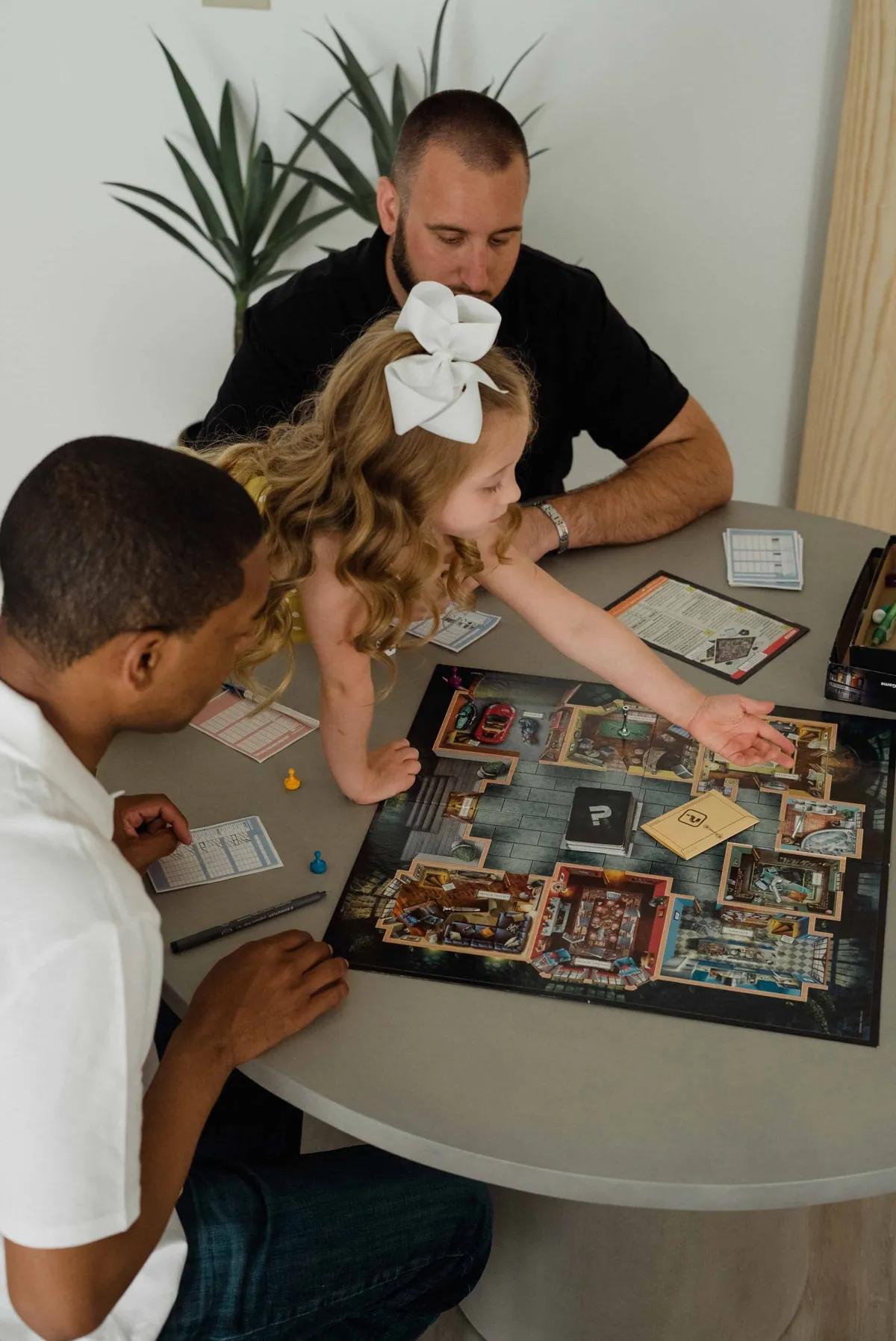
Illustrative photo · Dziana Hasanbekava / Pexels
For Every Stage
Connection does not require constant entertainment, spending money, or getting every moment right. Children and adults can need different levels of quiet, movement, predictability, and company.
Offer options to speak, write, draw, or simply spend time nearby. Do not require eye contact, touch, or immediate disclosure as proof of connection.
A Five-Minute Family Check-In
Notice: What feels manageable this week? What feels heavy?
Choose: What is one thing we want to make room for?
Share: Who can help, and what support do they need?
Review: When will we check whether this plan is helping?
For younger children, use pictures or two simple choices. For older children, invite their ideas rather than announcing every decision. Participation can be brief or happen one person at a time.
When A Moment Goes Wrong
Pause when it is safe. Return when you can speak more clearly. Try: “I raised my voice. That was my responsibility. I want to try again.” Keep the necessary boundary while changing the way you communicate it.
Children do not have to manage adult emotions or accept affection to repair a disagreement. If a pattern feels hard to change, seek appropriate support rather than relying on a worksheet alone.
Keep Your Plan Small
One moment of connection we want to try: ______
One task or expectation we can simplify: ______
One person or service we can ask for help: ______
When we will check in again: ______
These are educational ideas, not a developmental assessment or treatment plan. Ask your child’s healthcare provider about concerns involving development, behavior, mood, or wellbeing.
The activities and prompts above are The Living Garden’s practical suggestions. For further reading, these American Academy of Pediatrics resources discuss family routines and connection with teens.